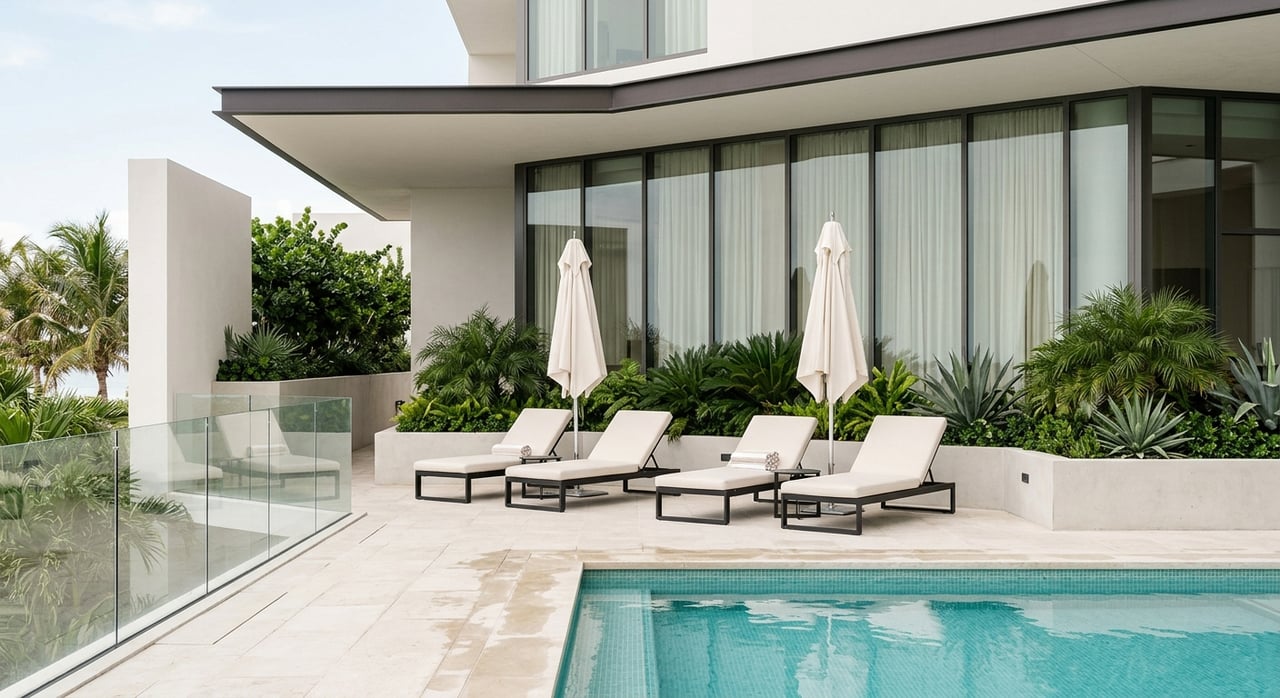
Comparing South Beach Condo Lifestyles: SoFi or Central
Choosing between South of Fifth and Central South Beach is not just about price. It is about how you want your day to feel when you step out of your condo. If you are trying to decide between a quieter luxury tower setting and a more energetic, walkable South Beach lifestyle, this comparison will help you sort through the differences that matter most. Let’s dive in.
South Beach often gets grouped into one big lifestyle category, but that can be misleading. South of Fifth and Central South Beach offer very different experiences, even though they sit close to each other.
For this comparison, South of Fifth means the area south of Fifth Street to Government Cut, stretching from the Atlantic Ocean to Biscayne Bay. Central South Beach refers to the core around the Art Deco District, Ocean Drive, Lummus Park, Lincoln Road, Flamingo Park, and nearby Española Way.
That small shift on the map can change everything from your building style to your beach routine. It can also shape your budget, daily walkability, and the kind of atmosphere you come home to.
South of Fifth is the more tower-focused and luxury-leaning pocket of South Beach. It is known for high-rise condo living, direct beach access in select properties, and a more private residential rhythm.
This is where you find large-scale luxury developments like Continuum South Beach, a 12-acre private oceanfront residential estate with two towers, 530 residences, and direct beach access. ICON at South Beach also sits in this neighborhood, bringing a glass high-rise profile and resort-style amenities to the area.
The overall feel is polished and contained. You are still in South Beach, but the pace tends to center more on ocean views, park walks, and destination dining than on the busier entertainment corridors farther north.
For many buyers, the biggest draw is the quieter day-to-day environment. South Pointe Park anchors the neighborhood with landscaped greenspace, walkways, a pier, playgrounds, and open waterfront views.
The Beachwalk begins at the southern tip of Miami Beach, which makes morning walks, beach access, and outdoor routines especially easy. If your ideal condo lifestyle includes a more relaxed start to the day and a less crowded feel around home, South of Fifth often stands out.
Dining in South of Fifth tends to skew upscale and destination-driven. The area is known for refined restaurants such as Prime Italian, Estiatorio Milos, Azabu Miami Beach, and Catch Miami Beach.
That restaurant mix helps define the neighborhood’s identity. Even when it is active, the energy feels more curated and residential than the louder, late-night pulse associated with Ocean Drive.
Central South Beach is the more historic and high-energy side of the comparison. It blends older condo stock and smaller buildings with some of the most recognizable streetscapes in Miami Beach.
This area includes the Art Deco District, which stretches from 5th Street to 23rd Street along Ocean Drive, Collins Avenue, and Washington Avenue. It contains about 800 designated historic buildings, with signature design elements like curved edges, glass block, terrazzo floors, neon lighting, pastel facades, and chrome accents.
If you love character, visual texture, and a neighborhood that feels active throughout the day, Central South Beach offers a very different kind of appeal. It is less about tower seclusion and more about being in the middle of a walkable urban-beach setting.
Central South Beach is more visitor-facing and energetic. Ocean Drive anchors the area with shopping, dining, entertainment, rooftop cocktails, live music, bars, and late-night activity across a highly walkable stretch.
Lummus Park adds a ten-block beachfront greenbelt with volleyball, outdoor gyms, swimming, sunbathing, and direct access to the beach. Lincoln Road adds another layer with pedestrian shopping, restaurants, art galleries, and rooftop venues.
Flamingo Park also expands the lifestyle options with a 36.53-acre park that includes tennis courts, a lap pool, a water playground, and multiple sports fields. Together, these places create a denser and more varied daily routine than you usually find in South of Fifth.
The dining scene in Central South Beach is broader and more flexible. You will find everything from iconic casual hangouts to nightlife-oriented venues and elegant restaurants.
Ocean Drive includes names like A Fish Called Avalon, The Betsy, Clevelander Beach Club, Havana 1957, Mango’s Tropical Cafe, News Cafe, and Palace Bar & Restaurant. Española Way adds a different pace with a two-block pedestrian corridor of pink stucco buildings, tile roofs, sidewalk cafes, and an Old World feel that contrasts with Ocean Drive’s louder rhythm.
The building experience is one of the clearest differences between these two areas. If architecture and property style matter to your decision, this is where the split becomes very clear.
South of Fifth is more likely to offer luxury high-rise condo product. Buyers drawn to full-service towers, newer finishes, oceanfront settings, and resort-style amenities often focus their search here.
The neighborhood’s identity is closely tied to larger residential towers and a premium presentation. For buyers who prioritize privacy, views, amenity packages, and a more elevated service feel, South of Fifth tends to align well.
Central South Beach is defined more by historic fabric and smaller-scale character. The Art Deco District, Ocean Drive, and nearby streets offer a design story that feels very different from glass tower living.
That can appeal to buyers who care more about architectural personality and neighborhood texture than about living in a large luxury tower. It also creates more variety from block to block, building to building, and even within the same few streets.
Both areas give you strong access to the beach, but they do it in different ways.
South of Fifth connects well to the Beachwalk and is anchored by South Pointe Park. The lifestyle here often feels more tied to scenic walking routes, direct shoreline access, and a quieter waterfront routine.
Central South Beach also benefits from the Beachwalk, but its beach experience is shaped more by Lummus Park and the high-activity zone along Ocean Drive. If you want to step outside into a scene with more movement, more people, and more nearby options, Central South Beach typically delivers that more consistently.
Price is another major point of separation. The data shows that South Beach is not one uniform condo market.
Realtor.com places the broader South Beach median listing price at $500,000, with about 1.2K homes for sale, a median price per square foot of $695, and median days on market of 102. It also classifies South Beach as a buyer’s market.
Redfin’s April 2026 South Beach data shows a median sale price of $1.249 million and a median sale price per square foot of $468. That gap between listing and closed-sale figures is a reminder that metrics can vary based on methodology and property mix.
Broader Miami Beach condo data from Brown Harris Stevens for Q1 2026 reported an average sale price of $1,222,071, an average price per square foot of $815, a median sale price of $504,000, 1,303 active listings, and a 14.6-month absorption period across the condo market from 5th Street to West 63rd Street.
South of Fifth sits well above those broader medians. In Brown Harris Stevens’ Q1 2026 South of Fifth report, the neighborhood posted an average sale price of $2,957,199, an average price per square foot of $1,376, a median sale price of $1,475,000, 48 closings, 189 active listings, and 11.8 months of inventory.
In Central South Beach, pricing varies widely by pocket and building. Realtor.com’s submarket breakdown shows medians at $305,000 in Flamingo-Lummus, $375,000 in Art Deco, $499,000 in West Avenue, and $1.07 million at The Waverly at South Beach.
The takeaway is simple: South of Fifth generally carries a clear luxury premium, while Central South Beach offers more varied entry points. In both areas, building-specific analysis matters more than broad neighborhood assumptions.
The best choice depends on what you value most in a condo purchase. Neither area is better across the board. They simply serve different priorities.
In South Beach, small location changes can create big lifestyle changes. A condo near South Pointe Park can feel very different from one near Ocean Drive, even if both fall under the same broader South Beach label.
That is why a smart search should go beyond neighborhood names. You want to compare building type, price positioning, walkability, daily noise level, access points, and the rhythm of the surrounding blocks.
For luxury buyers, second-home purchasers, and international clients especially, that finer level of guidance can save time and narrow the field quickly. It helps you focus on the version of South Beach that actually matches how you want to live.
If you are weighing South of Fifth against Central South Beach, the right move is to match the condo, the block, and the lifestyle to your goals. For tailored guidance on South Beach condos, pricing, and lifestyle fit, connect with Isabela Faria.

Whether buying or selling, Isabela delivers service beyond comparison. Isabela works closely with each of her clients to find their ultimate property in the most premier locations, and secures the best deal. When listing a property, Isabela maximizes each property’s market value with her unmatched marketing strategy.
Let Me Know How I Can Assist You
ISABELA FARIA-NEWELL
7401 Wiles Rd., Suite #236 Coral Springs, Fl 33067