Coral Gables Historic vs New Homes: How to Choose
If you are torn between a classic Coral Gables home and a newer build, you are not alone. This is one of the most important choices buyers make in a city known for both architectural legacy and polished modern living. When you understand how historic character, design rules, maintenance, and day-to-day comfort differ, you can make a smarter decision with more confidence. Let’s dive in.
Coral Gables has a distinct identity that shapes the buying experience. The city was planned as both a City Beautiful and a Garden City, and that vision still shows up in its green streets, landmark architecture, and design review standards.
The historic side of Coral Gables is not a small niche. The city says there are more than 1,000 properties on the Coral Gables Register of Historic Places, and a planning profile showed that 12.9% of housing units were built in 1939 or earlier. That helps explain why buyers here often compare timeless homes with newer construction instead of choosing between two completely separate markets.
Coral Gables also offers more variety than many people expect. While Mediterranean Revival defines much of the city’s original character, the city also identifies historic villages with Dutch South African, Chinese, French Normandy, Florida Pioneer or Colonial, French Country, French City, and Italian influences.
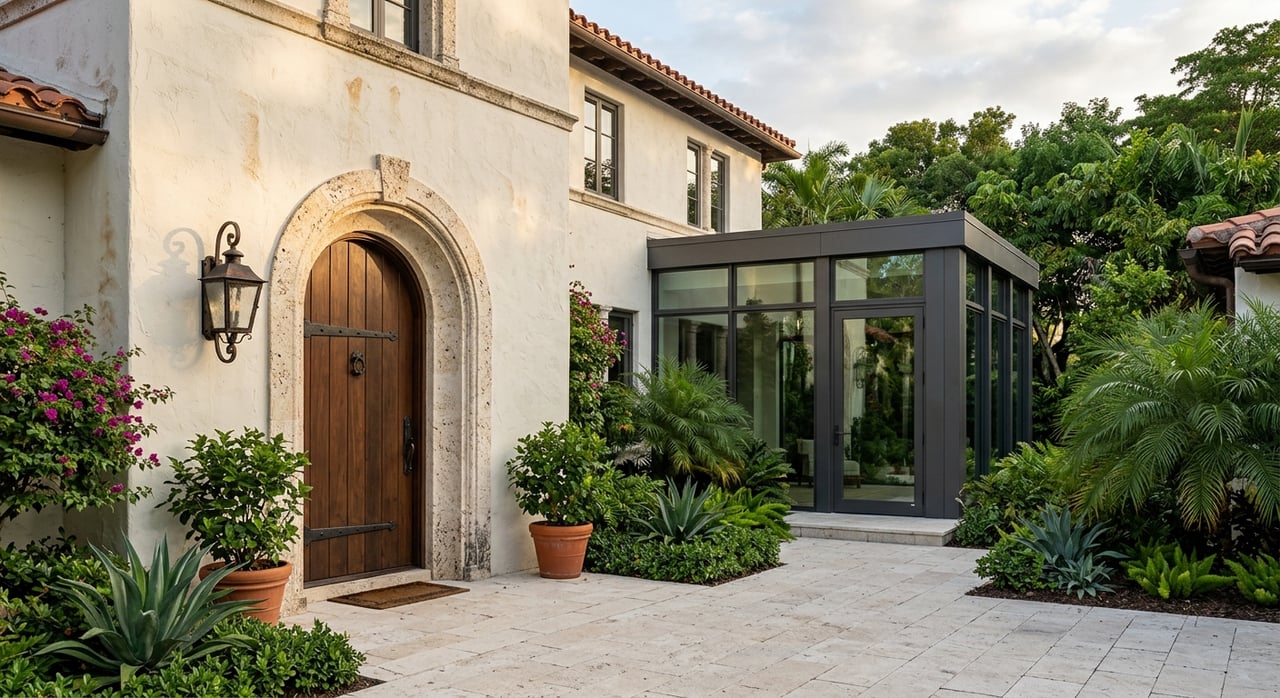
Historic homes in Coral Gables often stand out for their architectural presence. The city highlights signature features such as native oolitic limestone or coral rock, barrel tile roofs, decorative chimneys, arched openings, and detailed door and window surrounds.
For you as a buyer, that usually means stronger visual identity and a sense of permanence. These homes often feel deeply tied to the city’s original era, which can be a major part of the appeal.
Many 1920s-era homes offer details that are hard to duplicate in newer construction. Materials, proportions, and craftsmanship often create a layered look that feels collected over time rather than recently assembled.
If you value a home with a distinct point of view, historic Coral Gables can be very compelling. The appeal is not only inside the property, but also in the way the home contributes to the street as a whole.
Lot patterns are part of the story too. A city attorney opinion noted that the average residential lot is typically either 5,000 or 10,000 square feet, with homes generally abutted on three sides by neighboring residences.
That established scale can create a more settled neighborhood feel. At the same time, it may mean less room for expansion than you would find on a larger suburban parcel.
In Coral Gables, landscaping is often part of the lifestyle value. Mature trees and established greenery can add beauty, shade, and a sense of place that newer properties may take years to develop.
That said, landscaping comes with rules. The city states that residents generally do not need a permit to prune trees on private property unless they remove more than 25% of the canopy or branches larger than 10 inches in diameter, and removing or relocating a tree 4.5 inches in diameter or larger requires a permit.
Historic ownership in Coral Gables comes with a different approval process than many buyers expect. That does not make it a negative, but it does mean you should understand the rules before you commit.
The city says building permit requests for designated properties are first sent to Historical Resources for review. A Certificate of Appropriateness is required before most exterior work begins, while interior remodeling is generally not subject to the same review unless tax relief is requested.
Historic designation does not mean a home can never change. The city makes clear that changes are allowed and are reviewed for compatibility with the existing architecture.
This is an important distinction if you want to restore rather than simply preserve. Some proposals considered maintenance do not require Certificate of Appropriateness review, which can give you more flexibility for routine work.
Some buyers worry that historic designation automatically raises property taxes. According to the city, historic designation by itself does not increase assessed property taxes.
The city also says approved improvements may qualify for local tax incentives. If you are considering a designated property, this is one of the details worth reviewing early.
Restoration projects can require patience. Coral Gables limits exterior construction timing, with weekday exterior construction generally allowed only during set hours, Saturday exterior construction prohibited in residential areas or within 100 feet of residential zones, and all construction prohibited on Sundays and city-recognized holidays.
For you, that can mean a longer renovation timeline and more coordination than a move-in-ready newer home. If speed matters, this should be part of your decision.
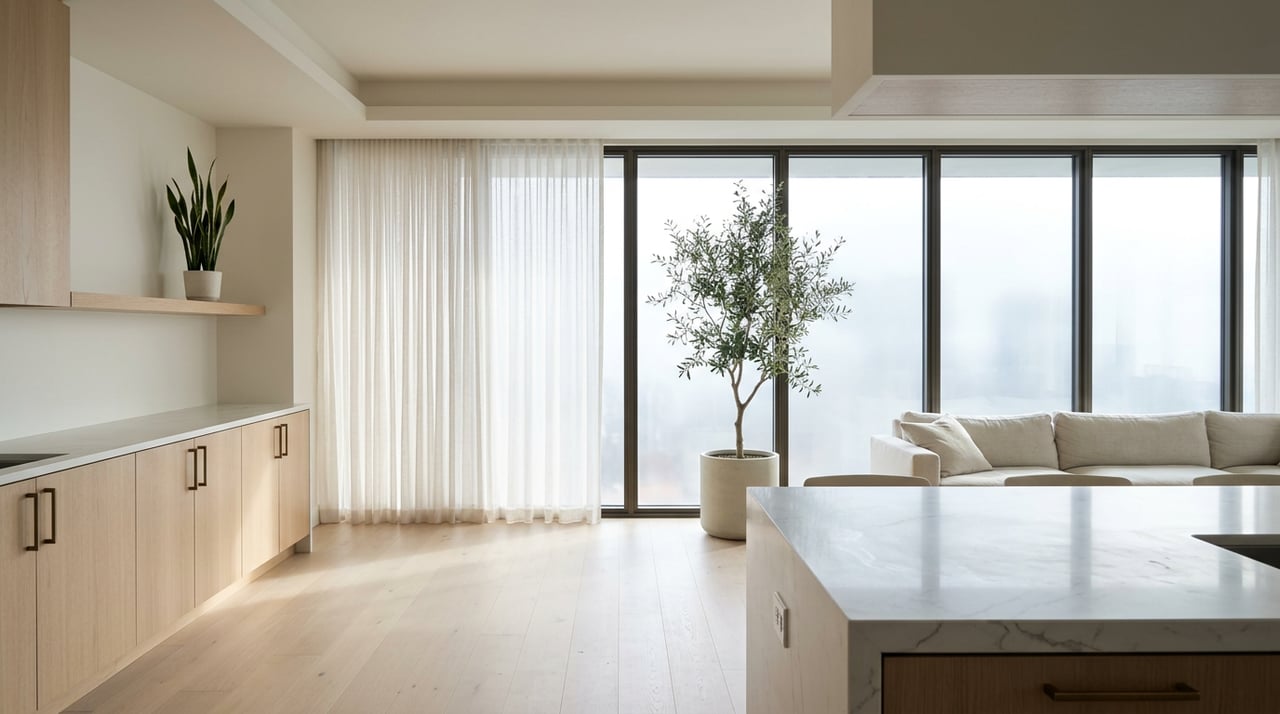
New construction tends to appeal to buyers who want a more turnkey experience. In many cases, the biggest advantage is not just a modern look, but the chance to start with systems, layouts, and performance standards that fit current expectations.
Older homes often require more planning around insulation, windows, and future upgrades. The U.S. Department of Energy notes that older homes often have less insulation than homes built today, and windows are a major source of heat gain and loss.
New-home construction can more easily incorporate cavity insulation and insulated sheathing from the start. In South Florida’s cooling-heavy climate, that can make a meaningful difference in everyday comfort.
ENERGY STAR says its NextGen new homes and apartments are, on average, 20% more energy efficient than homes built to typical code levels. While not every new home meets that benchmark, it helps explain why newer properties often feel easier to manage from a comfort and utility standpoint.
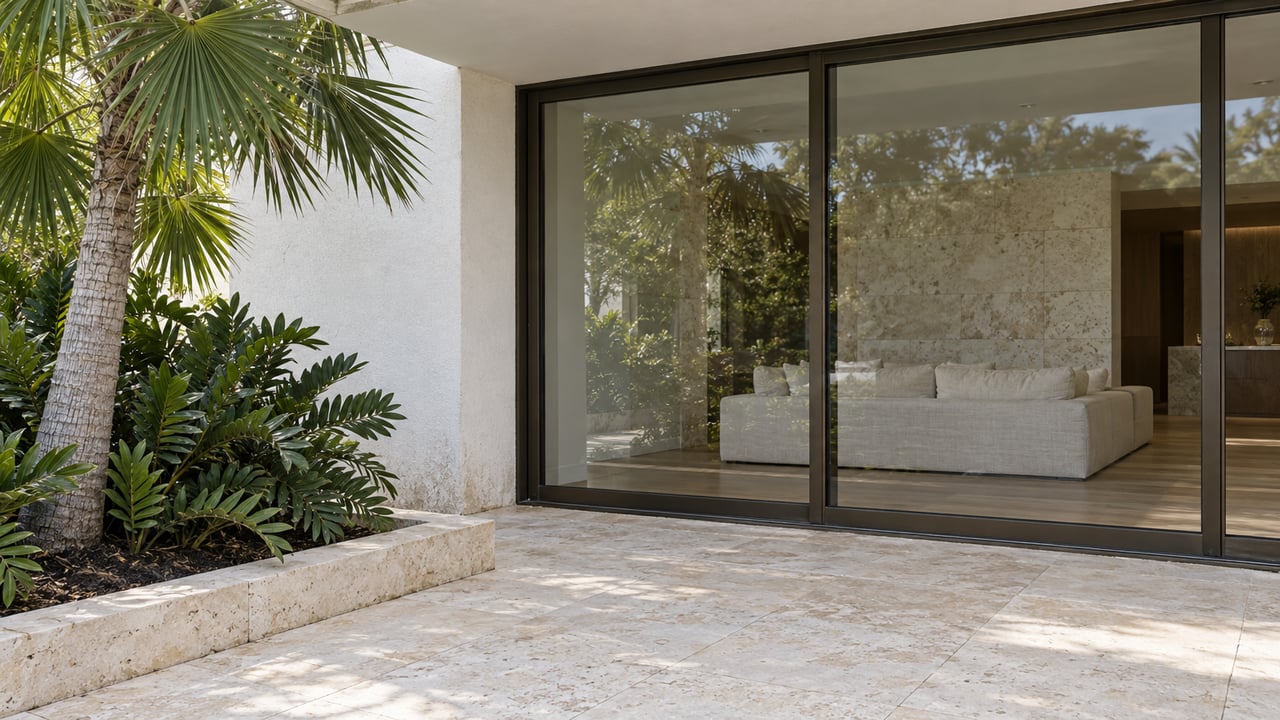
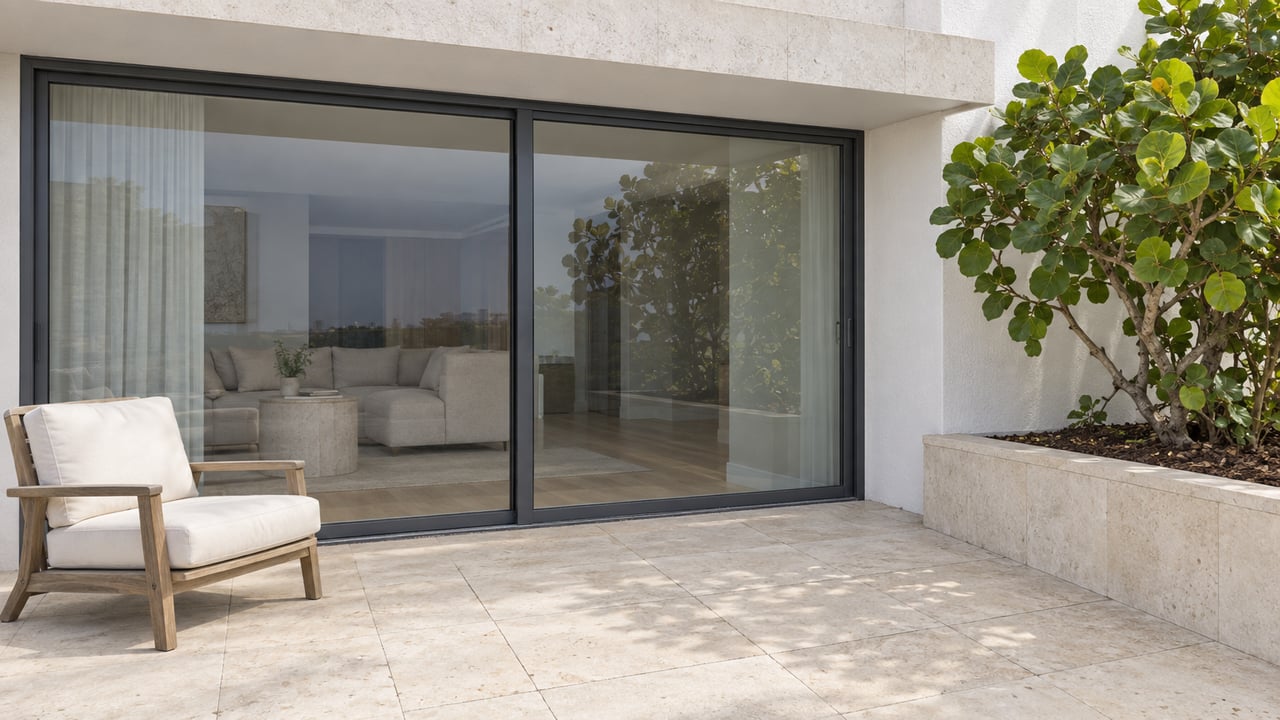
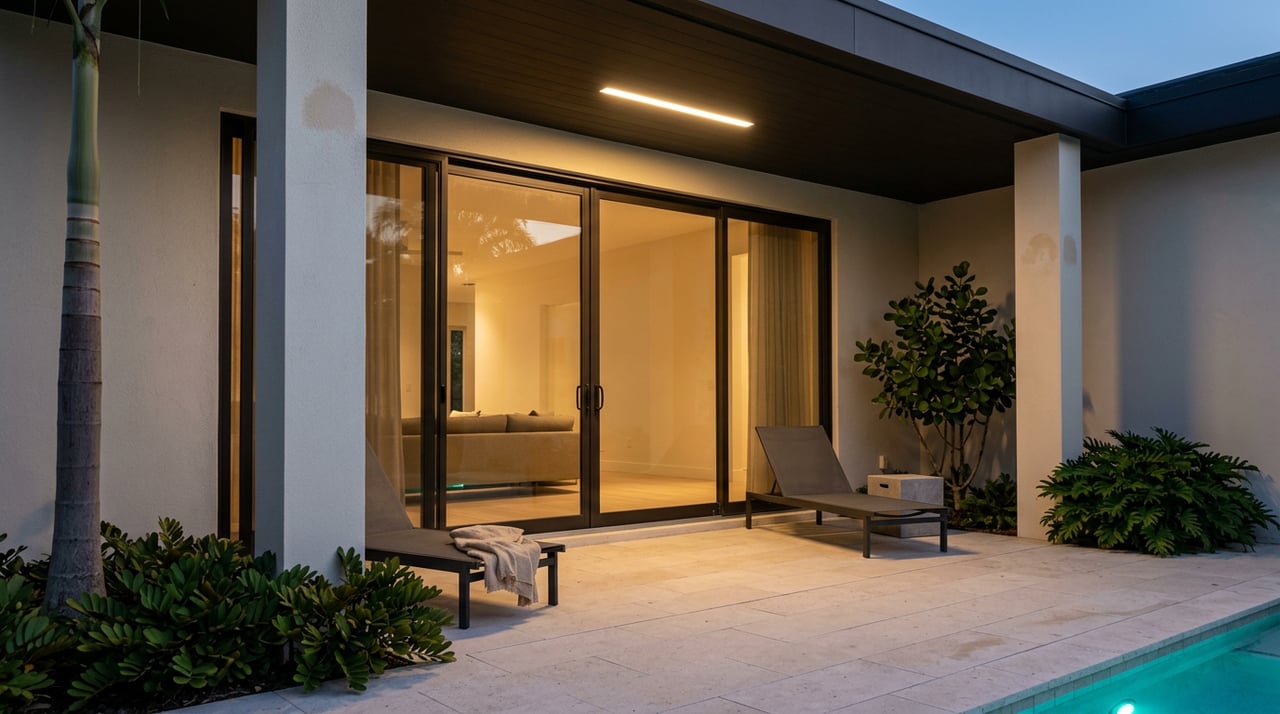
Newer homes also tend to align more naturally with how many buyers live today. Open living spaces, larger kitchen and family areas, more storage, and better indoor-outdoor flow often require fewer compromises.
When you compare options, practical features may matter as much as style. In Coral Gables, common new-construction comparison points include garage count, pool or spa setup, outdoor living space, elevator readiness, impact-rated openings, storage, and warranty coverage.
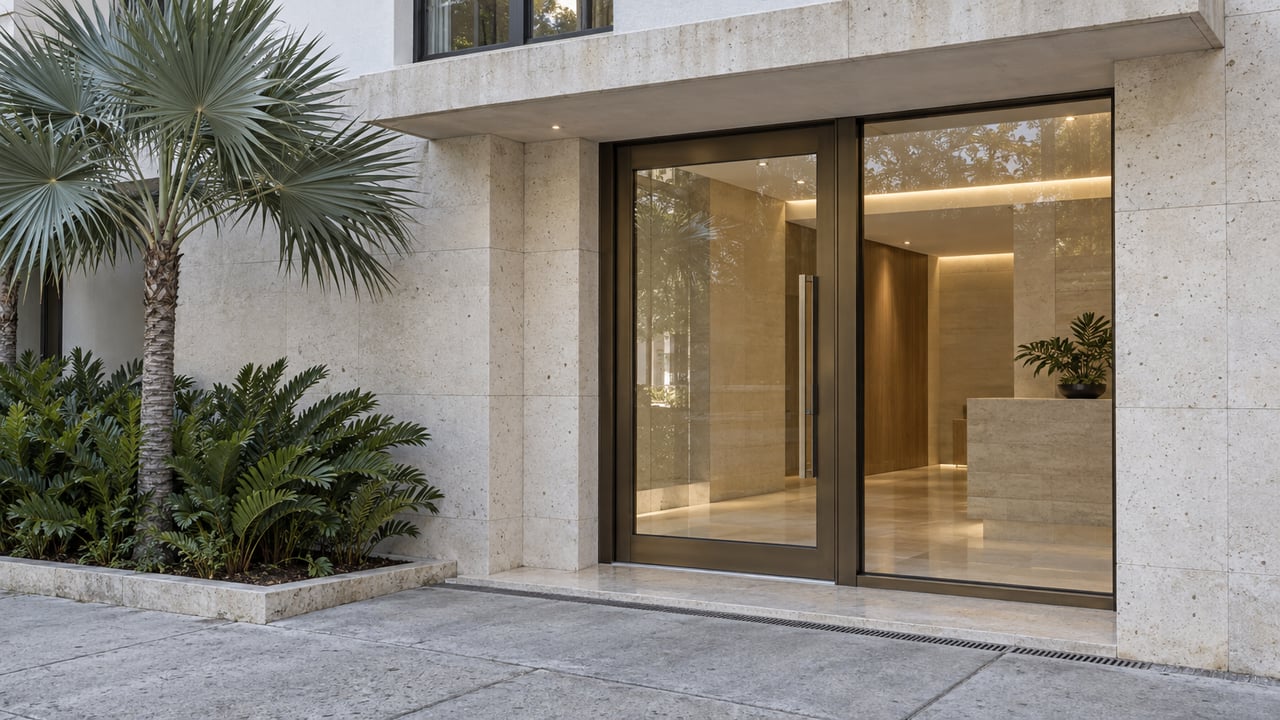
A newer home in Coral Gables may feel modern, but it is still shaped by the city’s design standards. New construction here is not a blank canvas in the way it might be in another market.
The city defines Coral Gables Mediterranean Architecture as a style that reflects George Merrick’s vision. The Board of Architects evaluates development for compatibility in areas such as color, materials, fenestration, and proportion.
If a property is part of a larger redevelopment or infill project, the review process may involve multiple steps. Depending on the application type, that can include staff review, the Development Review Committee, the Board of Architects, the Planning and Zoning Board, and the City Commission.
For you as a buyer, this matters because newer construction is not always faster or less regulated. If timing is important, it helps to ask early where a project is in the city review process.
The right choice usually comes down to what you want your daily ownership experience to feel like. In Coral Gables, the decision is often less about location and more about how you value authenticity, regulation, maintenance, and convenience.
Here is a simple way to think about the tradeoff:
| If you value... | You may prefer... |
|---|---|
| Original architecture and period details | Historic home |
| Mature landscaping and established streetscapes | Historic home |
| Fewer immediate repairs | New construction |
| More current layouts and systems | New construction |
| Exterior flexibility with fewer preservation layers | New construction |
| A strong link to Coral Gables' original identity | Historic home |
Neither path is automatically better. The better fit is the one that aligns with your priorities, timeline, and comfort level with future work.
No matter which direction you lean, a careful review matters in Coral Gables. The city says it is particularly susceptible to flooding because it sits near sea level and is surrounded by major bodies of water, with some low-lying areas prone to standing water after major rain events.
That means flood, drainage, and insurance details deserve attention whether you are buying a 1920s landmark or a newer home. Age matters, but site conditions matter too.
If you are considering a historic property, focus on these points:
If you are leaning toward a newer home, compare these items:
Coral Gables gives you a rare choice. You can buy into the city’s original design legacy, or you can choose a newer home that offers a more current living experience while still fitting the city’s visual standards.
If you love craftsmanship, established landscaping, and homes with a strong architectural story, historic charm may be worth the extra planning. If you want cleaner systems, modern comfort, and a more turnkey path, new construction may feel like the better match.
The best way to decide is to compare both side by side with a clear eye on condition, approvals, and how you want to live day to day. If you are exploring Coral Gables and want thoughtful guidance on which type of home fits your goals, connect with Isabela Faria to schedule a consultation.

Whether buying or selling, Isabela delivers service beyond comparison. Isabela works closely with each of her clients to find their ultimate property in the most premier locations, and secures the best deal. When listing a property, Isabela maximizes each property’s market value with her unmatched marketing strategy.
Let Me Know How I Can Assist You
ISABELA FARIA-NEWELL
7401 Wiles Rd., Suite #236 Coral Springs, Fl 33067