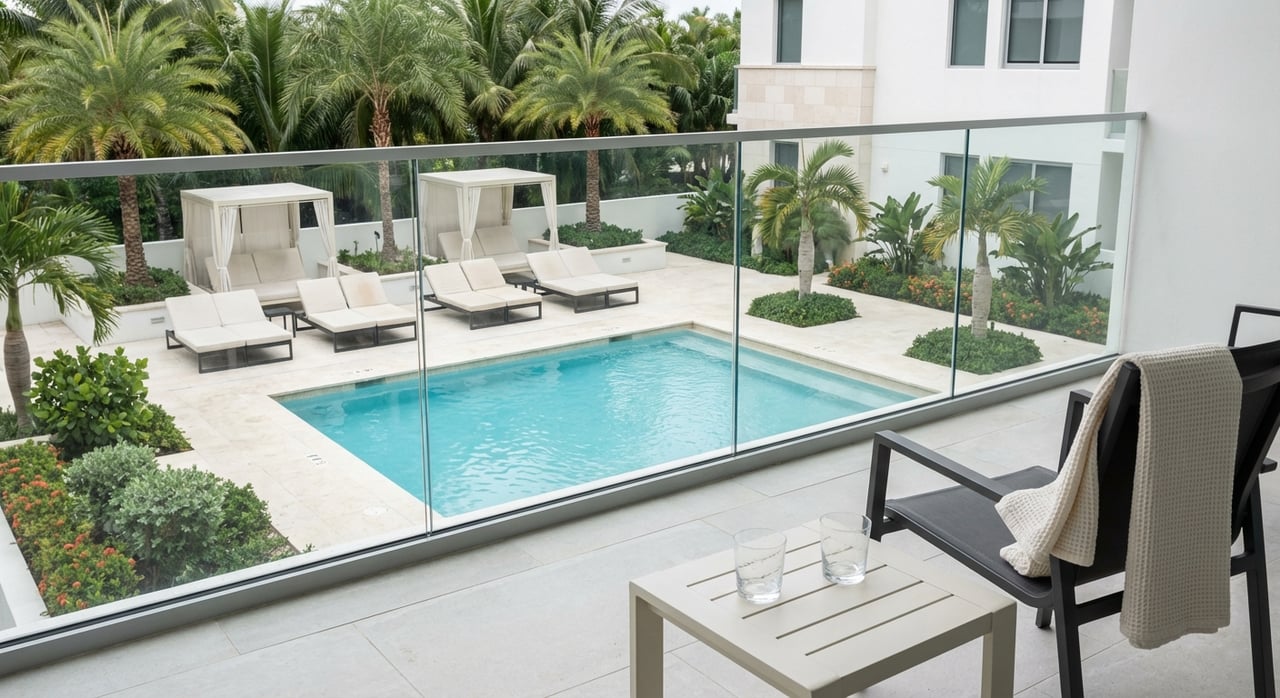
Sunny Isles Short-Term Rental Investment Condos
Wondering if a Sunny Isles condo can pull reliable short-term rental income without the headaches? You’re not alone. With beachfront towers, global visitor demand, and easier rules than some nearby cities, Sunny Isles Beach is a compelling market for Airbnb and vacation rentals. In this guide, you’ll learn how the market performs, what licenses and taxes you need, how to pick buildings that actually allow short stays, and how to model your returns with confidence. Let’s dive in.
Sunny Isles Beach sits on a prime stretch of coastline, close to Aventura and Bal Harbour shopping, and within about an hour of two major airports. That mix draws consistent leisure demand from the U.S. and abroad. As of early 2026, recent market snapshots show the submarket has roughly 1,000+ active listings, with many in condo-hotels, mid-rise condos, and luxury towers. You can review market-level trends in the latest Sunny Isles snapshot from AirROI.
Performance benchmarks help you set expectations. As of early 2026, Sunny Isles’ median nightly rates often fall in the low to mid $200s per night, and many listings cluster around the mid 40% occupancy range across the year. Larger oceanfront units in luxury towers can command higher rates, though they may run at lower occupancy. For context only, nearby Miami Beach tends to post higher average rates and slightly higher occupancy, according to AirDNA’s Miami Beach overview. Treat Miami Beach as a premium comparison, not a direct match.
Seasonality matters. Sunny Isles demand typically peaks in winter and early spring, especially February and March, and softens in late summer. That means your best months will likely outperform annual medians for both rate and occupancy. Your pricing and targets should flex with the calendar.
Sunny Isles Beach defines a short-term vacation rental as any condo or similar unit leased for six months or less. You must secure a Short‑Term Vacation Rental License for each unit before you advertise or host. The city also sets occupancy limits, requires a designated local Responsible Party who can respond within one hour, and enforces escalating penalties for violations. Review the current requirements on the city’s short‑term rental page and apply before you list.
Short-term stays in Sunny Isles are subject to multiple taxes. The Florida state sales tax is 6%, plus Miami‑Dade’s discretionary surtax, plus the county’s local option transient tax. Based on the Florida Department of Revenue’s DR‑15TDT chart, many hosts model a combined burden around the 13% range in Sunny Isles. Always confirm current rates using the DR‑15TDT reference and with Miami‑Dade before you go live.
Platforms sometimes help, but you are still responsible. Airbnb and similar marketplaces may collect and remit certain state or local taxes in jurisdictions where they have agreements. Check the latest Florida collection details in Airbnb’s tax help article, then confirm what you must register for and remit yourself.
If you are comparing markets, keep in mind that Miami Beach is more administratively strict and layers in municipal resort taxes and tighter registration. Expect different forms, fees, and enforcement intensity than in Sunny Isles. You can see Miami Beach’s checklist on the city’s short‑term rental requirements page.
Not every condo that is legal under city rules allows nightly rentals. Association rules control your actual ability to operate.
Boards can tighten or revise rental policies over time if they achieve the required amendment thresholds. Recent South Florida trends show increasing scrutiny of nightly rentals in many associations. Read the recorded documents and recent minutes to confirm current policy and enforcement posture. For background on association authority and leasing restrictions, see this overview from CooperatorNews.
Start with realistic revenue inputs by unit type, view, and amenities. As of early 2026, Sunny Isles median ADRs often sit around the low to mid $200s and occupancy commonly falls in the 40 to 50% range marketwide. Luxury oceanfront units can push higher ADRs with different occupancy dynamics. Build a seasonal calendar that lifts rates in winter and leans on occupancy in softer months.
Lenders will underwrite your projected net income with conservative assumptions. DSCR financing is common in this asset class, but standards vary. Review market context in this Sunny Isles DSCR overview from The Doce Group and test stress cases for occupancy, rate compression, and interruptions.
Key risks to monitor include association rule changes, shifts in city enforcement, tax updates, hurricane impacts, platform policy changes, and localized oversupply. Bake buffer into your underwriting and revisit assumptions at least annually.
You deserve a partner who speaks both hospitality and real estate. Our team pairs luxury brokerage with hands-on STR operations, so you get acquisition guidance, building‑policy diligence, design recommendations, pricing strategy, and turnkey management under one roof. We are multilingual and work seamlessly with international buyers who want a smooth, compliant path to revenue.
If you are ready to identify the right Sunny Isles condo and launch it with confidence, schedule time with Isabela Faria. We will map your targets, confirm the rules, and deliver an operating plan you can trust.

Whether buying or selling, Isabela delivers service beyond comparison. Isabela works closely with each of her clients to find their ultimate property in the most premier locations, and secures the best deal. When listing a property, Isabela maximizes each property’s market value with her unmatched marketing strategy.
Let Me Know How I Can Assist You
ISABELA FARIA-NEWELL
7401 Wiles Rd., Suite #236 Coral Springs, Fl 33067