Trying to decide between a shiny new tower and a proven building on the sand? In Sunny Isles Beach, both preconstruction and resale condos can deliver the oceanfront lifestyle you want, but the path to the closing table looks very different. You want clarity on timing, cash commitments, rules, and risks before you choose. This guide breaks down what changes between buying new versus buying an existing unit in Sunny Isles so you can move forward with confidence. Let’s dive in.
Sunny Isles context for buyers
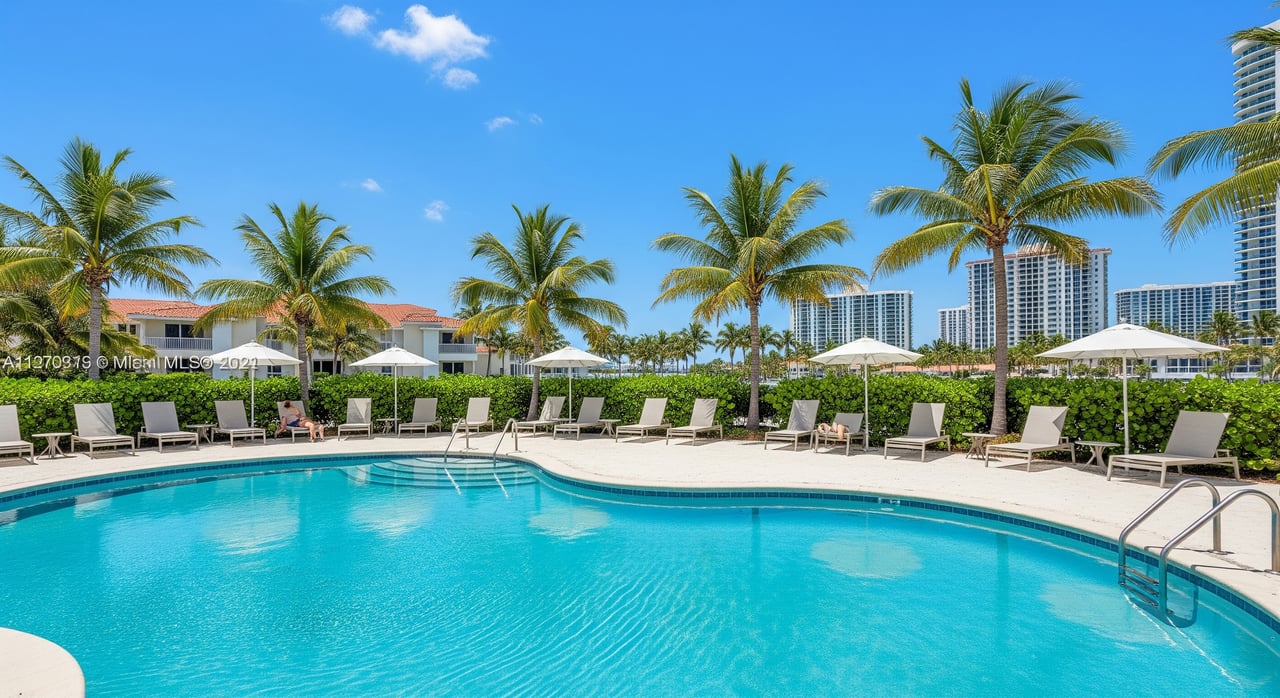
Sunny Isles Beach sits on a narrow barrier island lined with luxury high-rises, branded residences, and resort-style amenities. You are close to Miami Beach, Aventura, and business hubs, which attracts second-home owners, international buyers, and investors. The skyline continues to evolve as new towers replace older buildings, which keeps the preconstruction pipeline active.
What this means for you:
- New projects market scarcity of oceanfront land and modern, larger floor plans with high-touch amenities.
- Resale buildings offer immediate occupancy and a known track record for financials, reserves, and association governance.
Preconstruction process and timeline
Buying preconstruction means you contract for a home that is not yet delivered. Your commitment ramps up through stages, and your timeline is measured in years, not weeks.
Typical deposits and stages
Deposit structures vary by project, but a common pattern includes:
- A small reservation to hold your unit, followed by a formal contract.
- Staged deposits over construction, often totaling a significant percentage before closing.
- The balance is due at delivery through cash or a mortgage.
Expect 24 to 48 months from contract to completion, depending on permits, weather, financing, supply chains, and labor. Delays do occur. Ask for written timelines, milestone definitions, and what happens if delivery slips.
Refunds and contract protections
Preconstruction deposits are typically held in escrow under the terms of your contract and are refundable only under limited conditions, such as developer default or failure to deliver as promised. Review clauses covering escrow arrangements, refund triggers, assignment rights, and what happens if the developer changes unit specifications. Engage a real-estate attorney to review your documents.
Financing considerations
You may not obtain a traditional mortgage until closing. Some buyers pay deposits in cash and arrange a final loan near delivery. Lender approval of the building can affect your options, especially for jumbo loans common in luxury condos. If financing matters to your plan, consult lenders early and confirm project eligibility, reserve requirements, and any restrictions related to investor concentrations or litigation.
Resale process and timeline
Buying a resale unit in Sunny Isles follows a familiar contract-to-close path. It is faster and more predictable than preconstruction for most buyers.
Contract and contingencies
Resale contracts typically include inspection, appraisal, financing, and association approval contingencies. Earnest money is placed in escrow, often in the range of a few percent of the purchase price, and is subject to the terms of those contingencies. You can evaluate the actual unit’s condition and finishes, not renderings, and negotiate repairs or credits based on your inspection.
Condo approval and closing speed
You will apply to the condo association and deliver required documentation. Your lender will also review the building’s financial health and reserves if you are financing. Most resales close in 30 to 90 days, depending on your loan timeline and the association’s approval process.
Finishes and warranties
There are real product differences between new and existing towers, from systems to ceilings.
- Customization potential: Preconstruction may allow you to choose finishes, appliance packages, and sometimes minor layout options if you buy early enough. This flexibility decreases as construction advances and upgrades usually carry a premium.
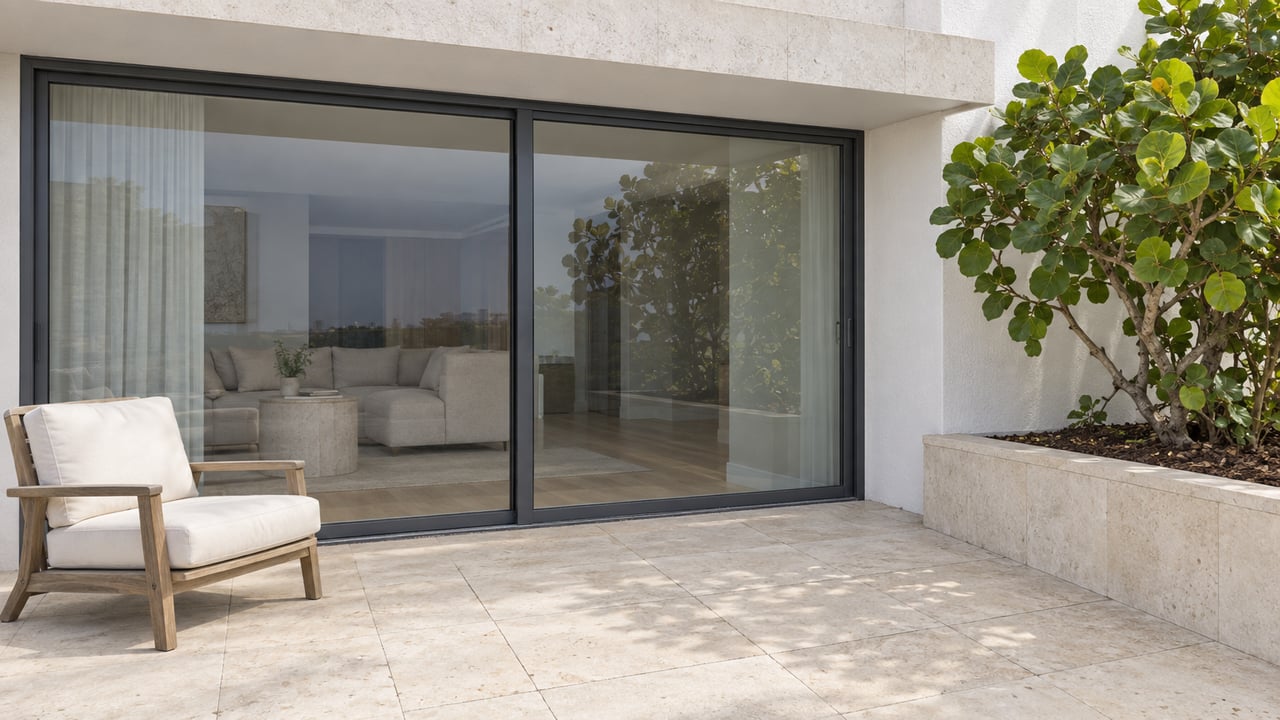
- Systems and design: New buildings typically feature modern mechanical, electrical, plumbing, and HVAC designed to current codes, higher ceilings in many floor plans, larger terraces in select designs, and energy-efficient systems with smart-home features.
- Known condition: Resales let you see and touch the finished product. You can assess workmanship, actual views, noise levels, and how amenities live in real life. Renovations can be immediate if you want to tailor the space.
- Warranties: Developers often offer limited warranties that may include a workmanship period, a separate coverage period for mechanical, electrical, and plumbing systems, and a longer structural warranty. Terms vary by project, so read them closely. Resale units typically rely on any remaining appliance or system manufacturer warranties and do not have a developer-backed warranty for the building.
Costs to compare
Owning on the ocean involves layered costs. Build your budget with these items in mind.
- HOA fees: Luxury oceanfront properties often carry higher association fees that support staffing, valet, security, pools, beach service, and common-area maintenance. Confirm line items and inclusions such as water, cable, internet, and parking.
- Property taxes: Taxes are based on taxable value, which is set after completion for new projects. If you plan to homestead, study eligibility and portability rules with the county.
- Insurance exposure: Coastal properties face windstorm, flood, and hurricane risk. High-rises carry master policies that may have large deductibles. Understand how deductibles are handled and whether a portion could be assessed to owners after a claim.
- Special assessments: Older buildings or those tackling capital projects can levy special assessments. In resales, you can review reserve studies, budgets, meeting minutes, and recent assessment history to gauge risk. In preconstruction, budgets are projections without full historical data.
- Closing costs: Expect title, recording, and mortgage-related fees. New developments sometimes include developer-specific fees. Confirm line items early so there are no surprises at closing.
Rentability and investor factors
If you plan to rent, study both city requirements and the building’s bylaws.
- Two layers of rules: Municipal and county regulations apply, and your condo association may set minimum lease terms and caps. Many buildings restrict short stays and may require 30 to 90 day minimums or longer. Some associations also limit the percentage of units that can be leased and require an owner-occupancy period before your first lease.
- Tenant screening and fees: Expect application processes and fees for tenants. Confirm turnaround times so you can plan for vacancy between leases.
- Market demand: Sunny Isles sees seasonal and year-round luxury rental demand. Rates and occupancy shift with broader Miami market cycles, so verify current figures before underwriting.
- Lender constraints: Buildings with high investor concentrations, litigation, or low reserves can limit financing options and affect interest rates. This matters for both your purchase and eventual buyer pool if you plan to sell.
- Taxes and compliance: Short-term rentals may require registration and transient rental tax collection and reporting. Confirm requirements with the city and county before you advertise a listing.
Risk snapshot
Every path has tradeoffs. Map them to your comfort level.
- Preconstruction risks: Potential construction delays, market changes during the build cycle, design differences from renderings, limited refund rights, assignment restrictions, and developer execution risk. Delivery timing is not guaranteed.
- Resale risks: Deferred maintenance, latent defects, and the possibility of special assessments for structural, façade, roof, or elevator projects. Amenities and systems may feel less current than new towers, which can affect long-term competitiveness.
- Shared coastal exposure: Both options carry hurricane, wind, and flood risk. Insurance costs and deductibles can be material, especially for oceanfront properties.
Quick due diligence checklist
Use this checklist to speed up your decision and protect your downside.
- Goals and timing: Need to move in soon? Choose resale. Comfortable waiting for a tailored product with modern systems? Preconstruction fits.
- Financial readiness: Can you commit staged deposits of 10 to 30 percent or more over construction and secure a jumbo loan at closing if needed? If not, resale may be simpler.
- Risk tolerance: Are you comfortable with schedule and market risk while a building is under construction? If you prefer certainty and comparables you can touch, choose resale.
- Lifestyle fit: Want branded amenities, higher ceilings, smart-home features, and newer systems? Preconstruction. Prefer a known community vibe and real views today? Resale.
- Association health: For resale, review condo docs, budgets, reserve studies, meeting minutes, litigation disclosures, master insurance details, rental policies, parking, and storage. For preconstruction, request draft documents, initial budgets, and proposed reserve funding.
- Warranties and support: For new builds, confirm warranty periods and claim processes, and ask about punch-list holdbacks. For resales, check permitted renovations, appliance ages, and any transferable warranties.
- Rent rules: Verify minimum lease terms, wait periods, any cap on leased units, and tenant application steps.
- Insurance: Review the building’s master policy, windstorm and hurricane deductibles, flood zone and elevation, and likely flood premium ranges.
- Developer track record: Research prior projects, construction partners, and sales velocity.
- Financing feasibility: Confirm building eligibility and lender appetite early, especially for jumbo products and investor scenarios.
Which path fits your goals?
Choose preconstruction if you value the latest design, customization, and brand-new systems, and you are comfortable with a longer timeline and market risk. Choose resale if you want immediate use, a known association profile, and the ability to evaluate the exact home and view before you commit. Many clients explore both in parallel to keep optionality until one opportunity stands out.
If you want a clear plan tailored to your goals, connect with a local advisor who works across new development and established buildings and understands short-term rental operations and international buyer needs. For a boutique, bilingual experience with investor-grade guidance, schedule a consultation with Isabela Faria.
FAQs
Will a Sunny Isles preconstruction condo appreciate by delivery?
- Appreciation is not guaranteed. Returns depend on broader Miami market cycles, presales momentum, and final delivery conditions. Early buyers can benefit if demand rises, but prices can also soften by completion.
Are preconstruction deposits safe in Florida?
- Deposits are governed by your contract and escrow terms. Some protections may apply, but refund rights are typically limited. Have an attorney review escrow arrangements, default triggers, and assignment clauses before you sign.
Can I customize finishes in new Sunny Isles condos?
- Often yes, if you buy early and meet the developer’s upgrade deadlines. Options and pricing vary by project, and flexibility narrows as construction progresses.
What about special assessments in older buildings?
- Review the association’s reserve study, budgets, meeting minutes, and recent assessment history. Buildings tackling roofs, façades, elevators, or structural work present higher assessment risk.
How do lenders view new vs existing condos in Miami-Dade?
- Lenders assess project approval, reserves, litigation, owner-occupancy, and investor concentration. Some products are limited for new or investor-heavy buildings, and jumbo guidelines can affect down payment and rates.
Can I short-term rent a Sunny Isles condo?
- It depends on both city and building rules. Many associations require minimum lease terms and limit the share of units leased at any time. Confirm registration and any transient tax obligations before you market a rental.