Downtown Miami Brickell Lifestyle for Car-Light Living
If you are dreaming about Miami living without the daily hassle of traffic, parking, and constant driving, Downtown Miami and Brickell deserve a close look. These neighborhoods offer one of the strongest car-light lifestyles in South Florida, but the experience can change a lot from one block to the next. If you want to know where car-free living actually works, what daily life feels like, and which building details matter most, you are in the right place. Let’s dive in.
Downtown Miami and central Brickell are among the most practical places in Miami for living with little or no car use. Walk Score rates Downtown Miami at 91 for walkability, 94 for transit, and 75 for biking, with the note that daily errands do not require a car. Brickell Avenue scores even higher, with a 99 Walk Score and 96 Transit Score.
That said, one of the most important things to understand is that not every address in Brickell or Downtown functions the same way. For example, Brickell Key Drive has a much lower Walk Score of 47, even though its Transit Score remains strong at 91. If you are buying or renting with a car-free goal, the exact building location matters just as much as the neighborhood name.
Miami’s local planning efforts also support this lifestyle. The Miami Downtown Development Authority continues work on the Baywalk and Riverwalk networks, and its Downtown Miami Bike Network was designed to connect major transit nodes rather than create isolated bike lanes. In real life, that means better day-to-day movement between home, transit, and major destinations.
The Metromover is one of the biggest reasons car-free living works here. Miami-Dade says this free elevated system operates seven days a week across Downtown Miami, Brickell, and Omni, serving 21 stations from Financial District in Brickell to School Board in Omni.
It runs from 5:30 a.m. to 10 p.m., with trains arriving about every 90 seconds during rush hour and every 3 minutes off-peak. That kind of frequency makes short trips feel easy, whether you are heading to work, meeting friends, or running errands. Major stops also connect you to places like Kaseya Center, Bayside Marketplace, and Miami Dade College.
For travel beyond the urban core, Metrorail adds another layer of convenience. Miami-Dade says Metrorail serves Downtown Miami and Miami International Airport, which is a major advantage if you travel often for work or leisure.
The system also connects to Brightline at Historic Overtown/Lyric Theatre and to Tri-Rail at the airport. For buyers who split time between Miami and other cities in South Florida or use air travel often, this rail access can make a car-light routine much more realistic.
Brightline’s Miami station is in the heart of Downtown near Kaseya Center and Bayside Marketplace. The station is positioned near Tri-Rail, Metrorail, and Metromover connections, which helps create a stronger transit web for residents.
Brightline also says guests can use Freebee shuttles around Downtown Miami and Brickell. For someone who values mobility without wanting to drive every day, that extra layer of connection can make a real difference.
The City of Miami’s Biscayne trolley serves Downtown Miami, Brickell, and the Biscayne corridor seven days a week. Miami DDA’s expanded Freebee service uses all-electric vehicles to connect Brickell, the Central Business District, and the Arts & Entertainment District.
In practical terms, this means you can often walk or use rail transit for most trips and use trolley, Freebee, or rideshare as a backup. That is especially helpful for cross-neighborhood trips or times when the route is less direct on foot.
Living without a car in Downtown Miami or Brickell feels different from suburban life. Your routine becomes more compact, and many errands, meals, workouts, and meetings can happen within a smaller area.
This is where local pedestrian infrastructure matters. Miami DDA says the 5-mile Downtown Baywalk is 89% complete, and the 10-mile Miami Riverwalk and on-road greenway are 68% complete. These routes add more than simple sidewalk access and create a more connected waterfront walking experience.
The Downtown Miami Bike Network also adds useful mobility. According to Miami DDA, the network includes 6,050 feet of separated bicycle lanes and 850 feet of parking-protected bicycle lanes connecting Government Center, MiamiCentral, Miami Dade College, and several Metromover stations.
Some sections remain incomplete due to nearby development still under construction. Still, the overall pattern is clear: the urban core is becoming easier to navigate on foot, by bike, and by transit.
The strongest car-free experience is generally in the core of Brickell Avenue, Brickell City Centre, Government Center, and MiamiCentral. These areas benefit from stronger walkability, close transit access, and more daily essentials within easy reach.
If your goal is to minimize driving as much as possible, these are the types of locations worth prioritizing. A home near Metromover or Metrorail can change your daily routine in a meaningful way.
Two homes in the same broad neighborhood can deliver very different experiences. The difference between Brickell Avenue’s 99 Walk Score and Brickell Key Drive’s 47 Walk Score is a good example.
A more isolated or peninsula-style address may still be beautiful and desirable, but it may not feel as convenient without a car. If car-free or car-light living is a priority, you want to look beyond the neighborhood label and focus on the exact address, nearby stations, and walking routes.
In a neighborhood where many residents live in high-rise buildings, your lifestyle is shaped by more than location alone. Building operations and amenities can make a car-light routine feel seamless or frustrating.
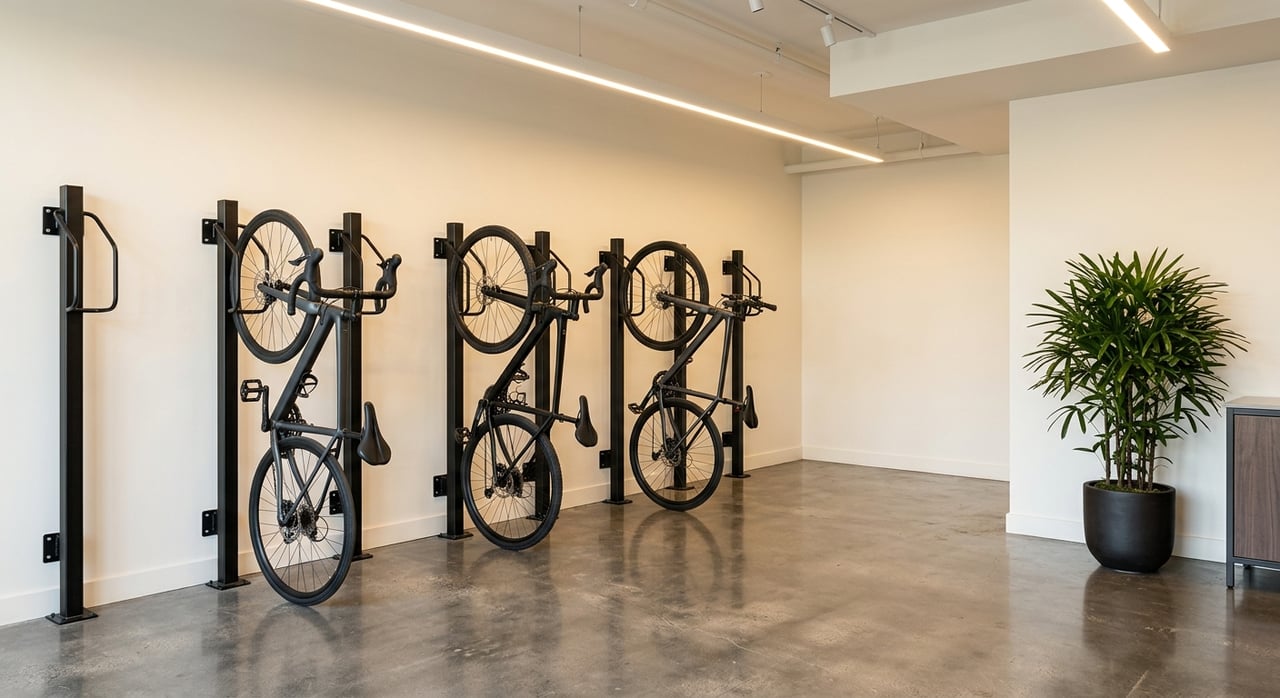
Research on newer Brickell towers shows recurring features that support this lifestyle. These include concierge services, security, valet, self-parking or covered parking, EV charging, bike storage, package rooms, and in some cases work lounges or pet-focused amenities.
If you are evaluating a condo for car-free living, these are some of the most important details to ask about:
This last point is especially important in Brickell and Downtown. Miami-Dade notes that Brickell and Government Center Metrorail stations do not offer parking, so your building’s own parking and arrival setup can have a real impact on convenience.
Car-free living here is possible, but it is not identical to living in a city with rail service running late into the night. Miami-Dade says Metromover service ends at 10 p.m., so later evening trips may require Freebee or rideshare.
That does not make the lifestyle unworkable. It simply means the best approach is often car-light rather than strictly car-free, especially if you keep a full social calendar or travel outside the core often.
For many buyers, that balance is actually ideal. You may not need to drive every day, but you still have the flexibility to use a car, valet, or rideshare when needed.
Car-light living in Downtown Miami and Brickell can be a strong fit if you value convenience, travel access, and a more connected urban routine. It may appeal to professionals who want easier weekday mobility, second-home buyers who do not want the burden of constant driving, and investors looking at condos that match a modern urban lifestyle.
It can also be especially appealing if you spend time traveling in and out of Miami. With Metrorail access to the airport and strong connections between Downtown transit options, the area supports a lifestyle centered on movement, flexibility, and ease.
The key is choosing the right building in the right pocket of the neighborhood. In this market, a few blocks can make all the difference.
If you are exploring Downtown Miami or Brickell and want help identifying buildings that truly support a car-light lifestyle, Isabela Faria can help you narrow in on the right location, amenities, and ownership strategy for the way you want to live.


Whether buying or selling, Isabela delivers service beyond comparison. Isabela works closely with each of her clients to find their ultimate property in the most premier locations, and secures the best deal. When listing a property, Isabela maximizes each property’s market value with her unmatched marketing strategy.
Let Me Know How I Can Assist You
ISABELA FARIA-NEWELL
7401 Wiles Rd., Suite #236 Coral Springs, Fl 33067